
Researching with Perplexity: Citations Are the Start, Not the Conclusion
A source-aware Perplexity workflow for splitting research questions, opening original material, and recording evidence gaps.
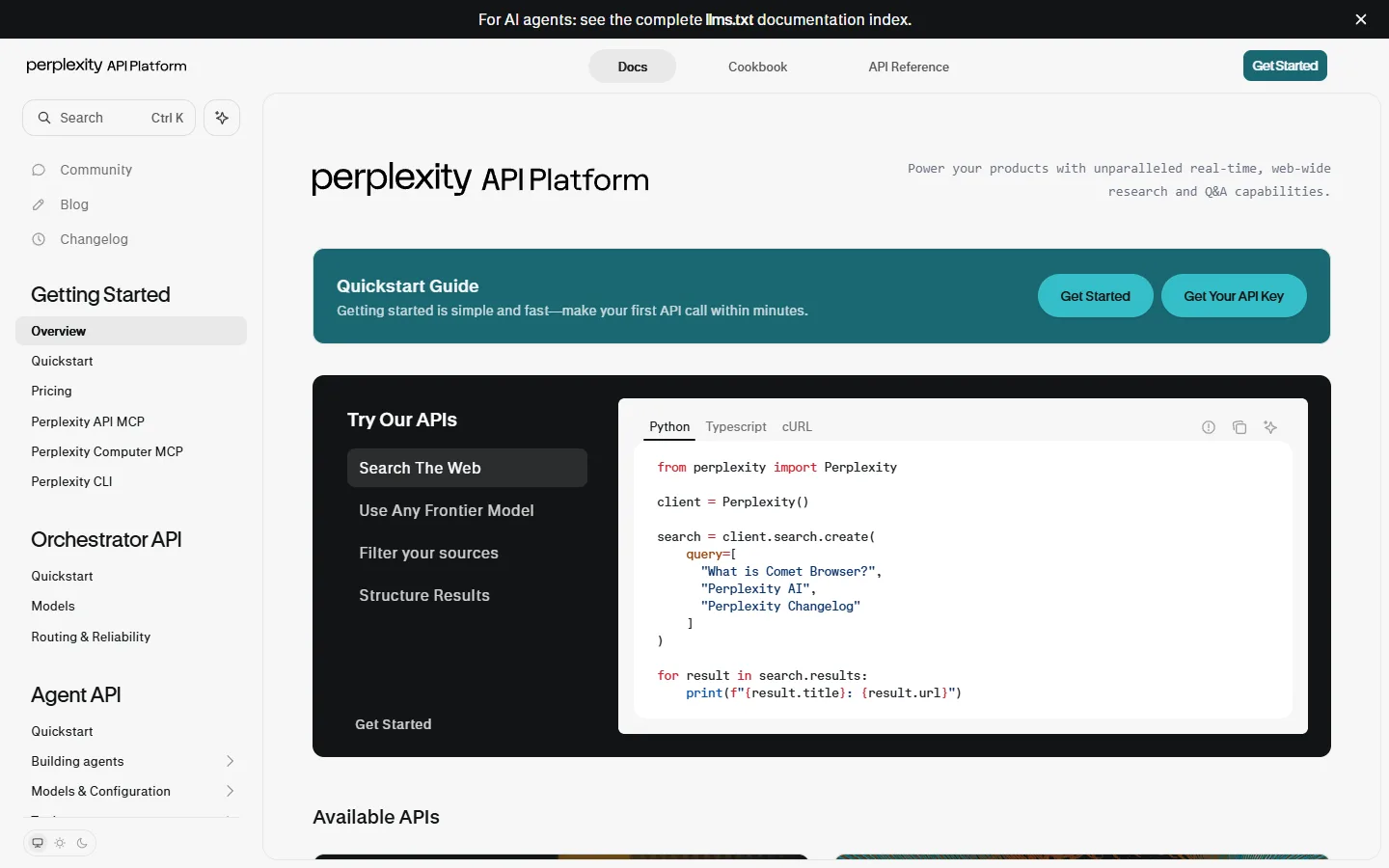
Perplexity provides source-linked AI search and research, along with developer APIs for search, agents, embeddings, and real-time web-wide questions. It is useful for mapping an unfamiliar subject, finding leads to original material, and keeping citations visible during research.
Split the research topic into questions
Separate definitions, current conditions, figures, causes, and opinions rather than compressing them into one broad prompt. State region and date for time-sensitive queries, and choose shared criteria before a comparison. Ask for source titles and dates, as well as questions for which the available evidence is insufficient.
Open every consequential citation
A citation may exist without supporting the full sentence around it. Open the original page and inspect the relevant passage, publication date, and author. Determine whether it is a primary document, reporting, research, or commentary. Important numbers should trace back to official data or the original report. Medical, legal, financial, and safety decisions also require qualified sources and people.
Save the research trail
Record the query, verification date, sources used, and unresolved questions. In the final work, every major conclusion should trace to specific material, with a distinction between established facts, a source's view, and your analysis. If a citation supports only part of a claim, narrow the claim rather than stretching the source.